

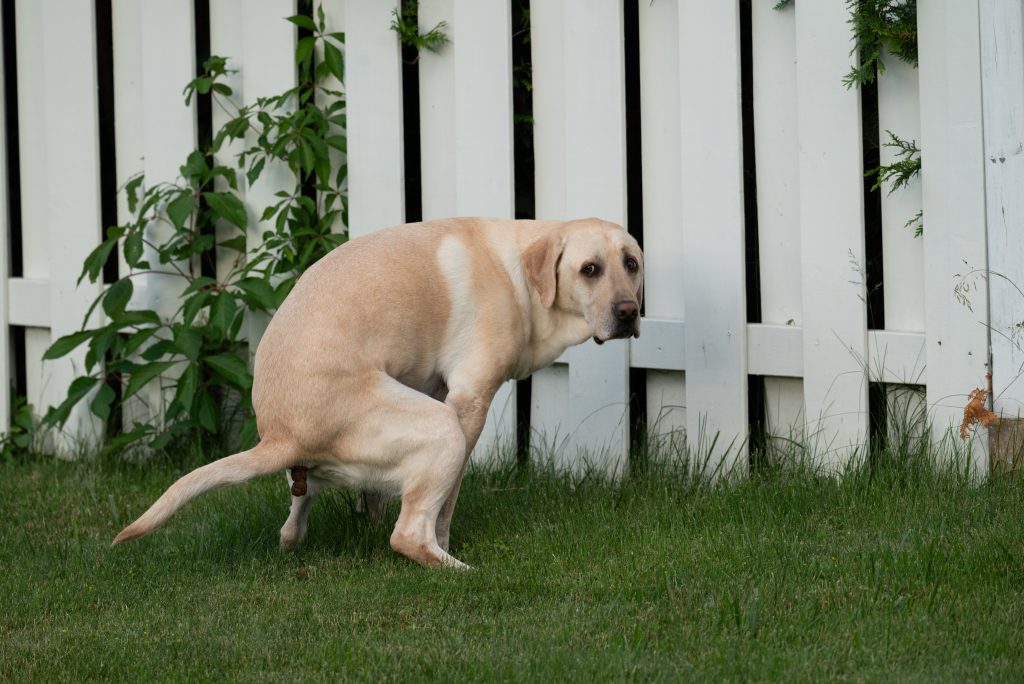
Let’s consider the numbers. According to the National Resources Defense Council (NRDC), an estimated 63 million households in the U.S. own dogs, and each of those dogs produces about 274 pounds of poop annually. That’s a lot of waste!
You’ve probably heard it before: “Just leave it. It’ll break down naturally.” But is that really true? Does dog poop really have a meaningful environmental impact? And if it does, how big of a deal is it?
In this post, we’ll dive into the facts behind these common assumptions and explore why it’s crucial to regularly remove pet waste—not just for your yard, but for the health of the entire ecosystem.
Surely Dog Poop Isn’t That Bad, Right?
We get it. It seems like a harmless part of life—a natural byproduct of owning a dog. After all, it’s just poop, right? So why does it matter if it stays on the ground for a while? Well, here’s the thing: dog poop is not just organic waste that magically disappears.
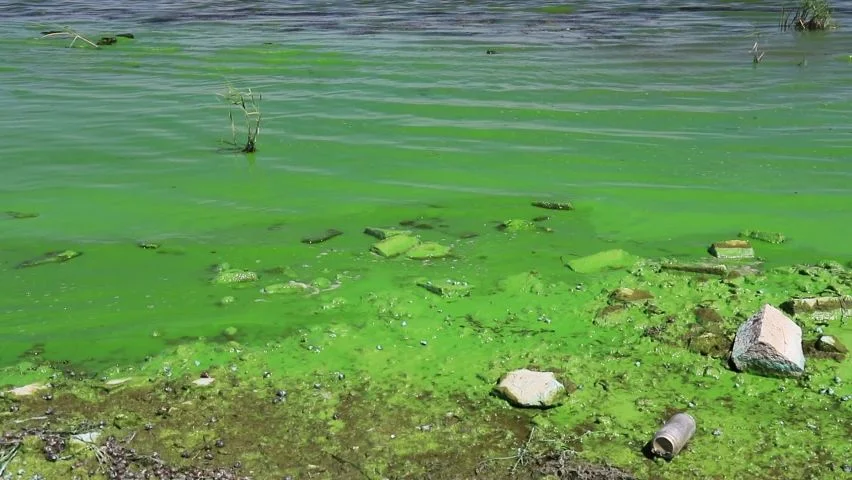
In fact, according to the Environmental Protection Agency (EPA), pet waste is one of the leading contributors to water pollution in urban areas. When left on the ground, dog poop can end up washing into storm drains during rainstorms, eventually contaminating local rivers, lakes, and streams.
What’s in Dog Poop That Makes It Such a Problem?
Dog waste isn’t like the leaves or grass clippings you might find in your yard. It contains bacteria, parasites, and pathogens that are harmful to both humans and animals. For example, dog poop can carry:
These pathogens can enter the water supply through runoff and pose serious health risks to both wildlife and people, especially when they contaminate local drinking water sources.
But surely the earth can handle a little dog waste, right? Actually, no.
The Math Doesn’t Lie: How Dog Poop Adds Up
Remember those 274 lbs of poop, lying in piles in yards?
Now, imagine if every single one of those poop piles wasn’t picked up. The bacteria in just a single dog’s waste can contaminate up to 10 million gallons of water. Multiply that by 63 million dogs, and you’re looking at a staggering amount of harmful bacteria being released into the environment each year.
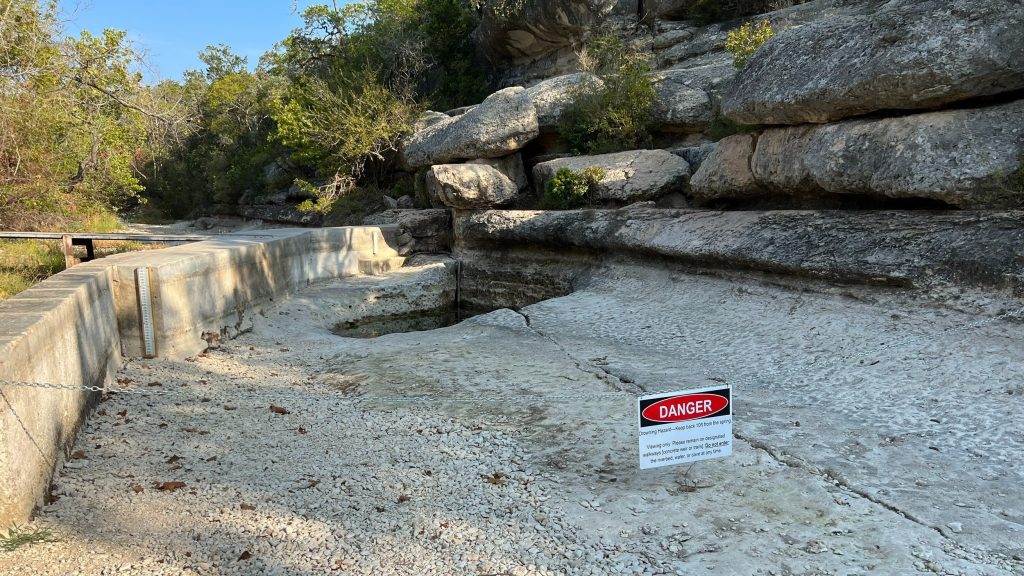
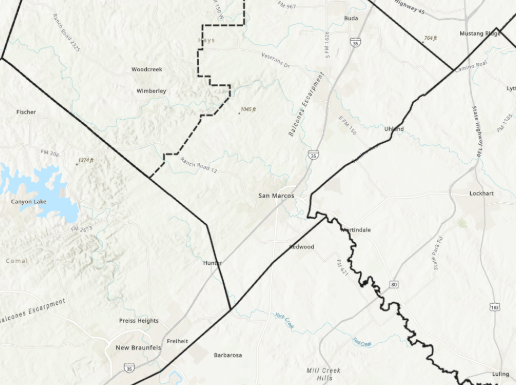
Hays County relies heavily on groundwater from the Edwards Aquifer and Trinity Aquifer to supply water for drinking, irrigation, and other essential needs. The Edwards Aquifer is especially critical as it supplies water to over 2 million people across central Texas, including areas like Kyle and San Marcos.
However, the region is facing increased water scarcity due to overuse and decreasing recharge rates. This means that pollution from any source—whether it’s chemicals, waste, runoff, or dog poop—has a more significant impact than ever. Dog waste, when left on the ground, can contribute harmful bacteria and nutrients that seep into the soil and eventually make their way into the aquifers through groundwater infiltration.
What Happens When Dog Poop Is Left Untreated?
When dog waste is left on the ground, it doesn’t simply disappear. Over time, rainwater washes it into nearby waterways, spreading bacteria and other harmful pathogens. This contributes to:
- Water contamination: Polluted waterways can affect aquatic life, making it harder for fish and other species to thrive.
- Eutrophication: Dog waste can increase nutrient levels in water, which causes excessive algae growth and lowers oxygen levels in lakes and rivers, suffocating aquatic plants and animals. Think how different a float down the San Marcos would be if that happens!
- Public health risks: Contaminated water poses direct threats to human health, particularly for communities that rely on well water or natural sources.
Can’t Dog Poop Just Be Left to Decompose?
While dog waste does eventually break down, the process can take months—if not years—depending on environmental conditions. And during that time, the harmful bacteria it contains can spread, poisoning the environment.
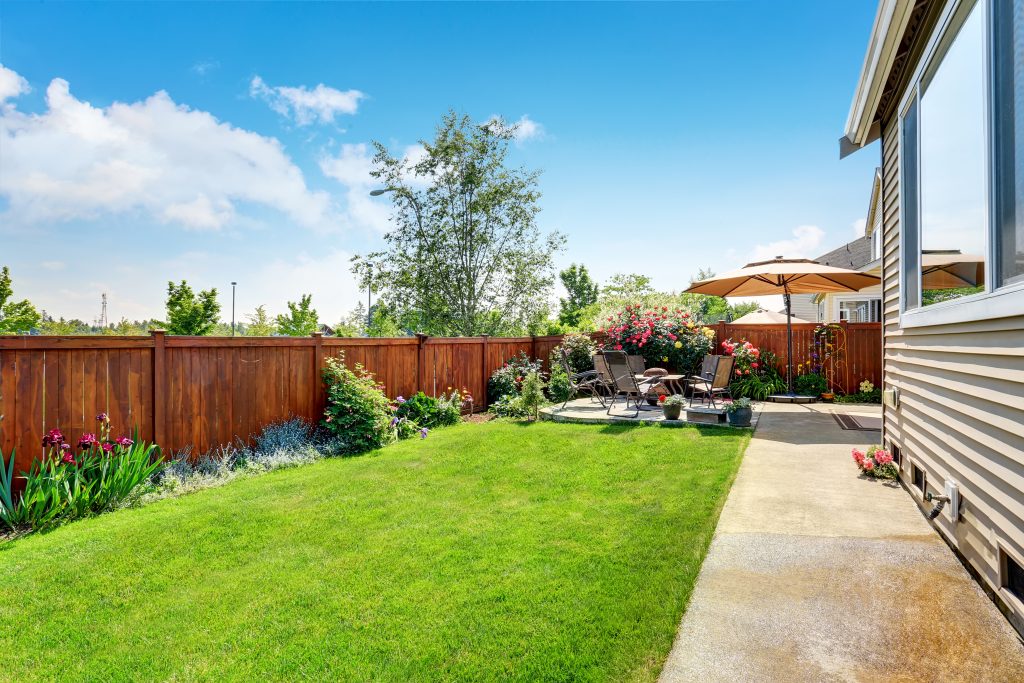
Decomposing dog poop in your yard can also harm your grass, causing brown patches, stunted growth, or even dead patches of turf. That’s because, while poop is organic, it’s also full of nitrogen, phosphorus, and other chemicals that can burn plants.
So, What’s the Solution?
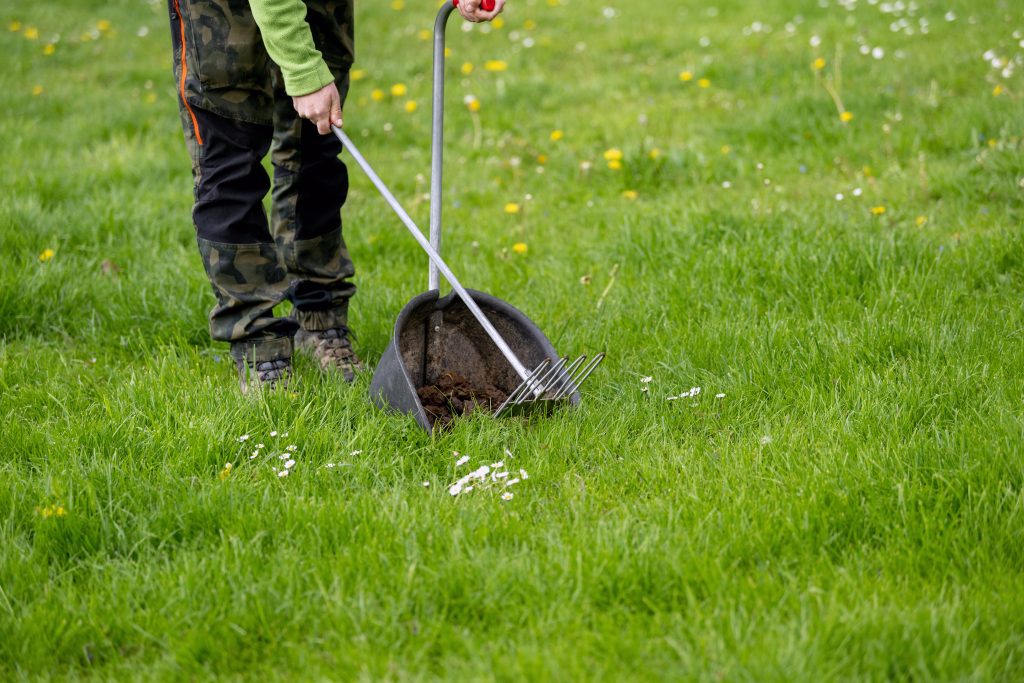
The simple answer: regular removal of dog poop. By hiring a professional poop scoop service, you can help prevent contamination of water supplies, protect local ecosystems, and keep your yard healthy. Super Scoopers is here to handle the mess, ensuring your backyard—and the environment—stays clean.
The Bigger Picture: Making a Difference Together
At first glance, it might seem like picking up after your dog is a minor issue in the grand scheme of environmental challenges. But when you look at the data, it’s clear that the cumulative effect of all that pet waste adds up. By making sure you regularly remove dog poop, you’re not just protecting your yard—you’re helping safeguard local water supplies and contributing to a cleaner, healthier environment for everyone.
Additional Suggestions:
- Local Map: A map of Hays County, pinpointing key water sources (like the San Marcos River) and showing the proximity to where pet waste can enter the water system.
- Infographic: A quick visual breakdown of the facts presented in the blog (e.g., “1 dog = 274 pounds of poop per year” with stats on water pollution).

